Air Quality Mold Testing: CDC’s Inconvenient Advice (If You See It, Don’t Test It), the $10 Kit Problem, and the Three Cases Where Testing Earns Its Cost

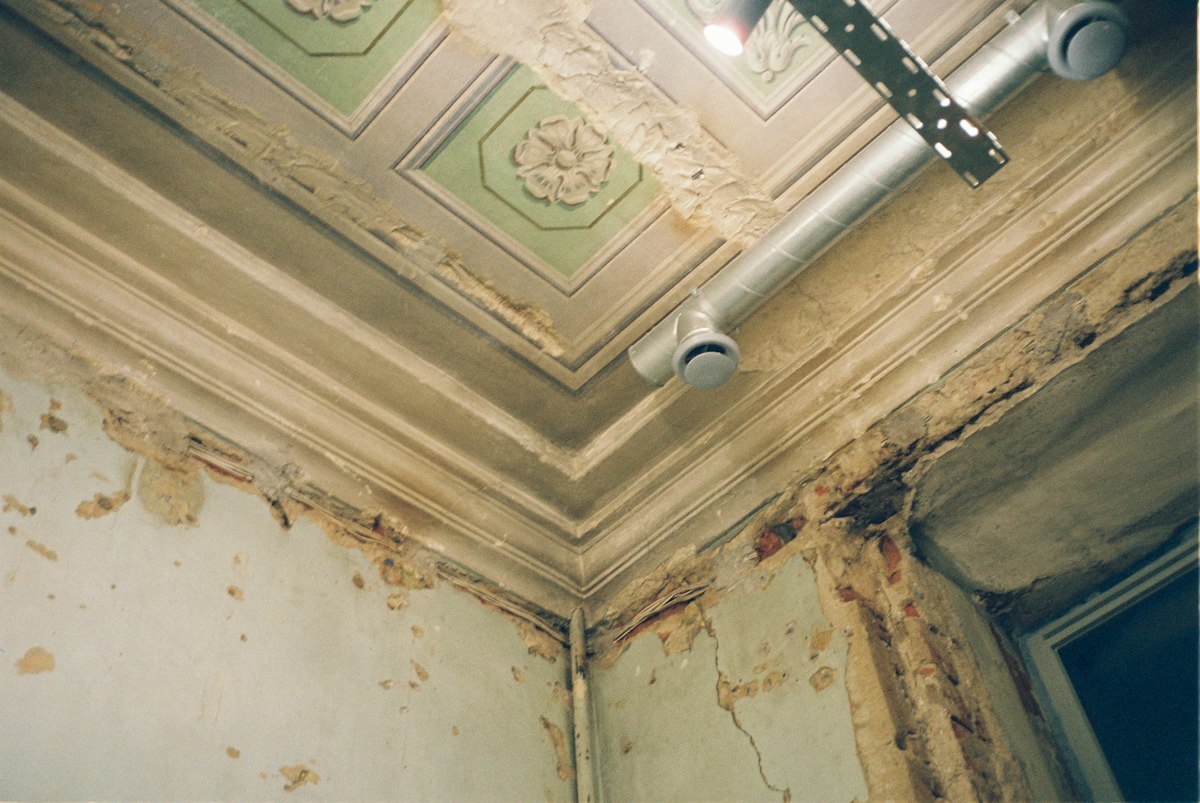
The Centers for Disease Control’s position inverts what most mold content implies: if you can see mold or smell it, skip testing and go straight to removal — the remediation is the same regardless of which species is growing, and knowing the Latin name changes nothing about the elbow grease. Testing earns its cost in three narrower cases: hidden-suspect situations (staining, peeling, or damp history inside wall cavities or ducts with nothing visible), health-decision support (working with a physician on symptoms), and landlord/insurance/transaction disputes where documented numbers carry legal weight. And the $10 petri-dish kits sold at every home center deserve their own warning: air always contains fungal spores, so a dish that grows after exposure proves only that gravity works. Related: How to Test Air Quality at Home.
Quick Answer: CDC’s algorithm: visible mold or musty smell → remove it and fix the moisture; no test needed (remediation doesn’t depend on species). Test only when: ① hidden suspicion (damp wall/duct cavities, nothing visible), ② symptoms with no visible source (physician-guided), ③ disputes (documented numbers). Skip $10 petri-dish kits — outdoor air runs 200–1,000+ spores/m³ routinely, so an exposed dish always grows something; without an outdoor comparison sample it certifies nothing.
| Your situation | Right move | Cost | Why |
|---|---|---|---|
| Visible mold <~10 ft² | Clean it (detergent, HEPA vac, PPE), fix moisture | $20 | Species doesn’t change remediation (CDC) |
| Musty smell, nothing visible | Hunt the moisture (hygrometer, leak check); if wall/duct suspicion holds — borescope or professional inspection | $10–400 | Smell is mold’s signature; find the reservoir |
| Hidden-suspect cavity (staining, damp history) | Professional inspection ± surface/air sampling | $300–700 | Documents extent behind finishes |
| Symptoms, no visible source | Physician + targeted environmental testing | $200–500+ | Health decisions want data, not vibes |
| Landlord / insurance / purchase dispute | Accredited-lab air sampling with outdoor control | $300–700 | Chain-of-custody numbers carry weight |
| “Just want to know” | Nothing, or a humidity gauge | $0–10 | Curiosity is cheaper than anxiety |
The r/mold and r/HomeInspection regulars have a name for the home-center kit experience: the “petri-dish panic.” Someone exposes the dish per the box instructions, grows a fluffy colony, and arrives at the subreddit convinced their house is condemned — and the first reply is always the outdoor-control question the kit never mentioned: what did a dish exposed outside your front door grow? (Answer, nearly always: also plenty.) Fungal spores are a background feature of planet Earth; indoor-outdoor comparison by a lab who knows the local ecology is the only version of “air sampling” that means anything, and it’s not what the $10 box sells.
Top Picks at a Glance (2026)

When the test points at spores, the duct tier matters as much as the gadget — three cartridges with the capture specs for that result:
| Pick | Product | Why it wins |
|---|---|---|
| Best spore-tier pick | 20x20x1 MERV 11 pleated | Mold spores are named in this tier’s capture spec — the direct match for a spore-count finding. |
| Best fine capture | 16x25x1 MERV 13 pleated | The finest 1-inch tier for maximum margin once the moisture source is remediated. |
| Best baseline to keep fresh | 16x20x1 MERV 8 pleated | Cheapest tier to replace on a strict 90-day cadence while monitoring continues. |
The $10 Kit Problem, Precisely
An exposed settling dish collects whatever spores drift by — and spores are always drifting (outdoor counts routinely run in the hundreds to thousands per cubic meter, higher in summer and fall). The kit’s result — “growth occurred” — was guaranteed before you opened it. Even the semi-quantitative versions (colony counts) confound time-of-day, season, open windows, and the stirring you did walking past. What a legitimate assessment adds, and the kit doesn’t: an outdoor control sample (indoor counts meaningfully above outdoor counts, in the same hour, is the actual signal), species identification by microscopy or DNA (for the few contexts where it matters), and location strategy (complaint room vs reference room vs outdoors). One narrow legitimate use even CDC acknowledges for commercially available kits: establishing a baseline to compare against later, in a specific spot, tracked consistently — a relative tool, never a diagnosis.
ClearFit cuts the same 16x20x1 MERV 13 pleated media to OEM specifications – the 16x20x1 MERV 13 replacement filter, sized to confirm against your old filter before ordering.
What Real Mold Testing Looks Like (When You’re in the Three Cases)
Surface sampling — tape-lift or swab, read by microscopy ($50–150/sample): identifies what’s growing on a visible suspect spot when species matters ( litigation, physician questions). Air sampling — a calibrated pump impinges air onto a slide or culture ($200–500, typically several rooms + outdoor control): the indoor-vs-outdoor comparison is the analysis, not the raw counts. ERMI-like dust DNA ($150–300): a vacuum-dust sample analyzed for the 36-marker mold panel; research-derived, contested for clinical decisions, occasionally useful for documenting a history of water damage in disputes. Moisture mapping — the actual professional skill that precedes all of it: a moisture meter, thermal camera, and knowledge of where buildings hide water (behind showers, under windows, in duct insulation). The through-line of legitimate assessment: moisture first, mold second — mold is a moisture problem wearing a biological costume (the humidity tier is the prevention layer; a hygrometer reading sustained above 60% RH is the leading indicator).
Remediation, Briefly — Because CDC Says It Comes First
For visible growth under about 10 square feet (EPA’s homeowner threshold): containment (close doors, stop the fan that spreads spores), PPE (N95, gloves, eye protection), detergent-and-water scrub on non-porous surfaces, HEPA vacuum — not bleach as a first instinct (bleach’s claim is legacy; detergent performs, and bleach’s fumes and surface limitations make it the worse default), porous materials out (wet ceiling tile and carpet padding don’t get cleaned, they get replaced), and the moisture source fixed — or it’s a subscription to the same problem. Above 10 ft², HVAC involvement, or sewage-adjacent water: professional remediation with proper containment (negative pressure), per EPA’s remediation guidance.
The “Mold Toxicity” Vocabulary Check
The PAA regularly asks for “10 warning signs of mold toxicity,” and the honest answer requires a vocabulary distinction the wellness internet erases. Evidence-supported: mold allergy (IgE-mediated — congestion, itchy eyes, asthma aggravation) and mold-induced asthma/irritant effects in damp buildings (the WHO/IOM dampness literature associates damp indoor environments with respiratory outcomes — with dampness itself as the measurable exposure). Not evidence-supported as defined clinical entities: “mold toxicity,” “toxic mold syndrome,” and “mycotoxin illness” as community-defined — CDC states no established clinical criteria link the stated symptom lists to inhaled indoor mycotoxins at environmental levels. That’s not a dismissal of symptoms — it’s a routing instruction: persistent respiratory symptoms get a physician (allergist/pulmonologist), damp homes get remediation regardless of what the symptoms get named, and “toxicity symptom lists” from content farms are not diagnostic instruments. Real flags that mold is affecting a household: symptoms that improve away from home, asthma control that worsens indoors, and persistent musty odor — each routes to moisture-first action per above.
FAQ
Will an air quality test detect mold?
Not the way the question hopes. Air sampling can document indoor spore loads versus an outdoor control when performed properly (calibrated pump, comparison sample, lab microscopy) — useful in disputes and hidden-suspect investigations. But mold’s most reliable “tests” are free: the musty smell and the moisture meter, because mold follows water, and CDC’s algorithm treats visible/smellable mold as an instruction to remediate, not to sample.
What are the 10 warning signs of mold toxicity?
The vocabulary check first: “mold toxicity” isn’t a CDC-recognized clinical diagnosis — the evidence-based entities are mold allergy and damp-building respiratory irritation. Their real-world flags: musty odor; symptoms (congestion, itchy eyes, headache, cough) that improve away from home; worsened asthma indoors; visible growth or water staining; window/wall condensation; and persistent humidity above 60%. Ten-item “toxicity lists” circulating online mix these with nonspecific symptoms attributable to dozens of causes — treat them as prompts to check moisture and see a clinician, not as a diagnosis.
Can an air quality monitor detect mold?
No — consumer PM/CO₂ monitors don’t identify biological particles to species or meaningfully flag mold specifically (mold spores sit in the coarse-particle range a PM sensor lumps with dust and pollen). What a monitor can do: show you the humidity that enables mold (some units include RH) and the ventilation deficits that let it persist. If mold is the suspicion, the path is moisture mapping plus the assessment methods above, not a consumer air gadget.
How to test if your air has mold?
Order of operations: hunt the moisture first (hygrometer in the suspect room, moisture meter on suspect walls, inspect under sinks and behind the shower wall access), act on visible growth immediately (remediate, per CDC — no test needed), and reserve sampling for the three cases — hidden cavity suspicion, physician-guided symptom workups, and disputes — using surface tape-lifts or pump air sampling with an outdoor control, read by an accredited lab. Skip the exposed-dish kits: they grow whatever the wind brought, which was always something.
Sources & References
- CDC — Mold, Testing, and Remediation guidance — “if you see mold, no testing required”; species-independent remediation. Official documentation.
- EPA — Mold Remediation in Schools and Commercial Buildings (thresholds, containment, PPE, detergent guidance). Official documentation.
- WHO — Guidelines for Indoor Air Quality: Dampness and Mould (2009) — dampness-respiratory association; exposure framing. Official documentation.
- AIHA — Recognition, Evaluation, and Control of Indoor Mold (assessment methodology: outdoor controls, sampling strategy). Industry expert analysis.
- Aerobiology literature — outdoor spore baselines and seasonality. Peer-reviewed research.
Related Guides
- How to Test Air Quality at Home — the parent tier framework.
- Air Purifier vs Humidifier — the humidity line that keeps mold from starting.