How to Test Air Quality at Home: The Free Layer, the $10 Hygrometer, the Consumer Monitor, and When Only a Lab Kit Counts

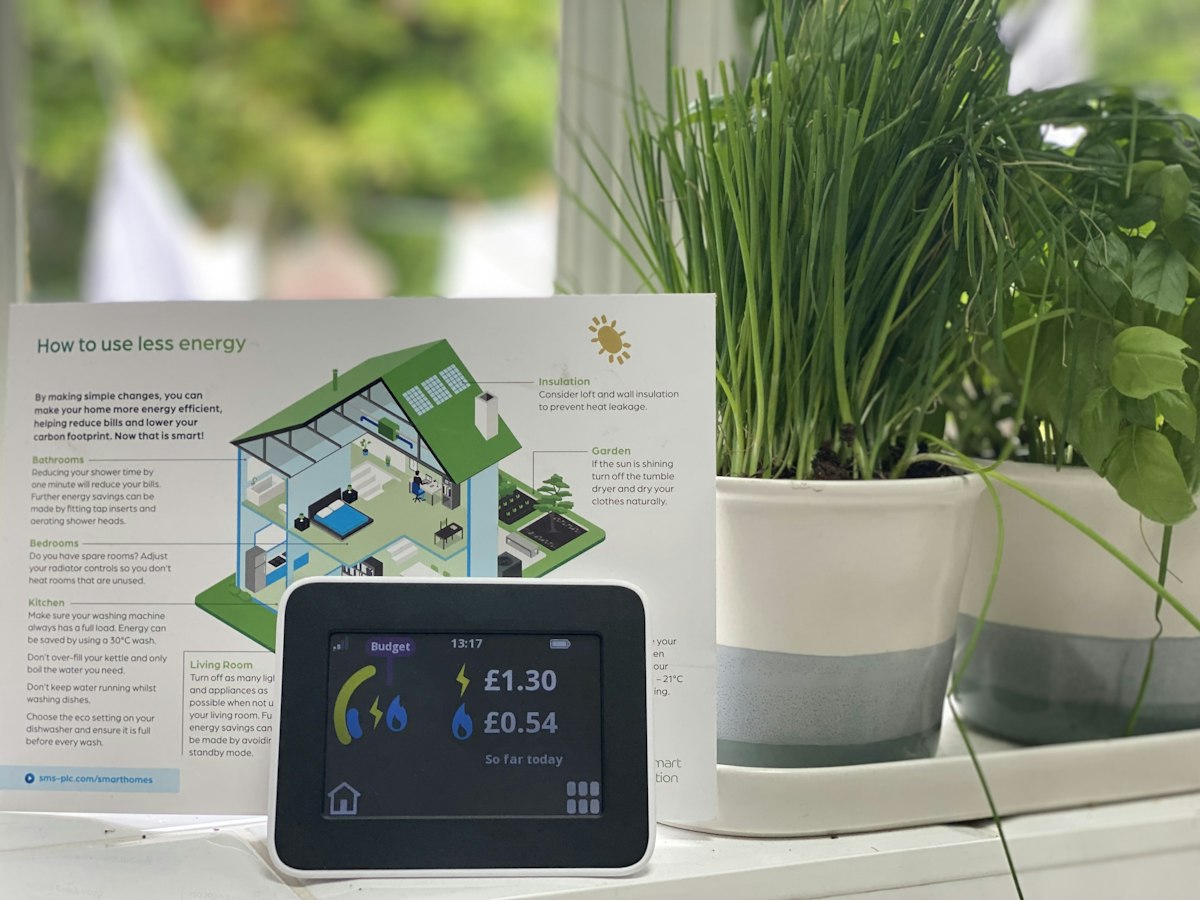
Indoor air testing is a three-tier decision, and the tiers answer different questions. Tier zero is free: your nose, your eyes, and the dust on the register, plus the first instrument every house should own — a $10 humidity gauge, because 30–50% RH is the single most actionable indoor number (above it: mold risk; below it: ozone-generating “purifiers” look tempting and static shocks rule). Tier one is the $100–300 consumer monitor: excellent for PM2.5 trends and CO₂-as-ventilation-proxy, explicitly not laboratory instruments (EPA’s own caveat about low-cost sensors). Tier two is the $150–500 lab analysis — the only tier that produces certified numbers for formaldehyde and VOCs, and the one that earns its cost after renovation, persistent symptoms, or a specific suspicion. Match the tier to the question or you’ll pay for precision you can’t use. Related: How to Improve Indoor Air Quality.
Quick Answer: Free: senses (mold smell, dust film, condensation) + a $10 hygrometer — hold 30–50% RH. $100–300 monitors: PM2.5 trends and CO₂ (ventilation proxy — readings sustained above ~1,000 ppm mean under-ventilated rooms), EPA-caveated for accuracy but excellent for changes and patterns. $150–500 lab kits: formaldehyde/VOC certified numbers — worth it post-renovation, with symptoms, or for disputes. CO₂ isn’t a toxin at home levels; it’s your ventilation gauge.
| Suspicion | Tier | Tool | Cost | What you learn |
|---|---|---|---|---|
| “Is my air generally okay?” | 0 | Senses + hygrometer | $0–10 | Humidity band; visible mold/dust; odor inventory |
| Dust, smoke days, cooking plumes | 1 | Consumer PM2.5 monitor | $100–200 | Trends, infiltration rate, purifier effect (real-time dips) |
| Stuffy rooms, sleepy afternoons | 1 | CO₂ (NDIR) monitor | $100–200 | Ventilation deficit — >1,000 ppm sustained = under-aired |
| Post-renovation chemical smell | 2 | Formaldehyde/VOC lab kit | $150–500 | Certified µg/m³ for a defined chemical list |
| Hidden mold suspicion | 1–2 | See the mold-testing page | varies | Moisture mapping, surface/air sampling decision tree |
| Radon (the actual killer) | 1–2 | Radon test kit | $15–150 | pCi/L — the one test every basement home should run once |
The r/HomeImprovement and r/AirQuality thread that captures tier confusion: someone buys a $250 monitor, sees a TVOC number of “0.4” in a new-smelling nursery, and posts in alarm — and the replies have to explain that consumer TVOC sensors are relative indicators (they’ll also spike for hand sanitizer and orange juice), that the number isn’t calibrated against any standard, and that if the room smells like new furniture the informative test is a $200 formaldehyde lab kit, not a $250 real-time gadget. The right tool depends on the question — the table is the whole decision.
Top Picks at a Glance (2026)

If the readings come back naming PM2.5 as the culprit, the HVAC tier is where the fix goes — the three cartridges matched to that result:
| Pick | Product | Why it wins |
|---|---|---|
| Best overall | 20x25x1 MERV 8 pleated | The baseline for dust-class readings; 90-day rated life at the lowest static of the ladder. |
| Best for elevated PM readings | 20x20x1 MERV 11 pleated | One tier up with dander, spores and pollen in the capture spec — the first move after a mid-range monitor number. |
| Best for PM2.5 spikes | 20x25x1 MERV 13 pleated | The fine-particle tier; the one that moves when the monitor says the problem is combustion-sized. |
Tier 0: Senses, Sightlines, and the $10 Number That Matters Most
Your built-in instruments: smell (musty = mold’s volatile signature, long before visible growth; “new” chemical smell = off-gassing, strongest in the first weeks), sight (condensation on windows = humidity exceeded; dust loading on return-air registers and fan blades = particle burden you can literally measure by wiping), and symptom geography (symptoms that improve away from home point indoors — the EPA’s own framing). The hygrometer earns its drawer space because both halves of indoor air mismanagement announce themselves in RH: sustained >60% is mold and dust-mite territory (dehumidifier, find the moisture source), <30% is dry-skin-static-ozone-temptation territory (humidifier — the water-choice and cleaning pages apply: W2-13, A2-08).
ClearFit cuts the same 16x20x1 MERV 13 pleated media to OEM specifications – the 16x20x1 MERV 13 replacement filter, sized to confirm against your old filter before ordering.
Tier 1: Consumer Monitors — What They’re Good At
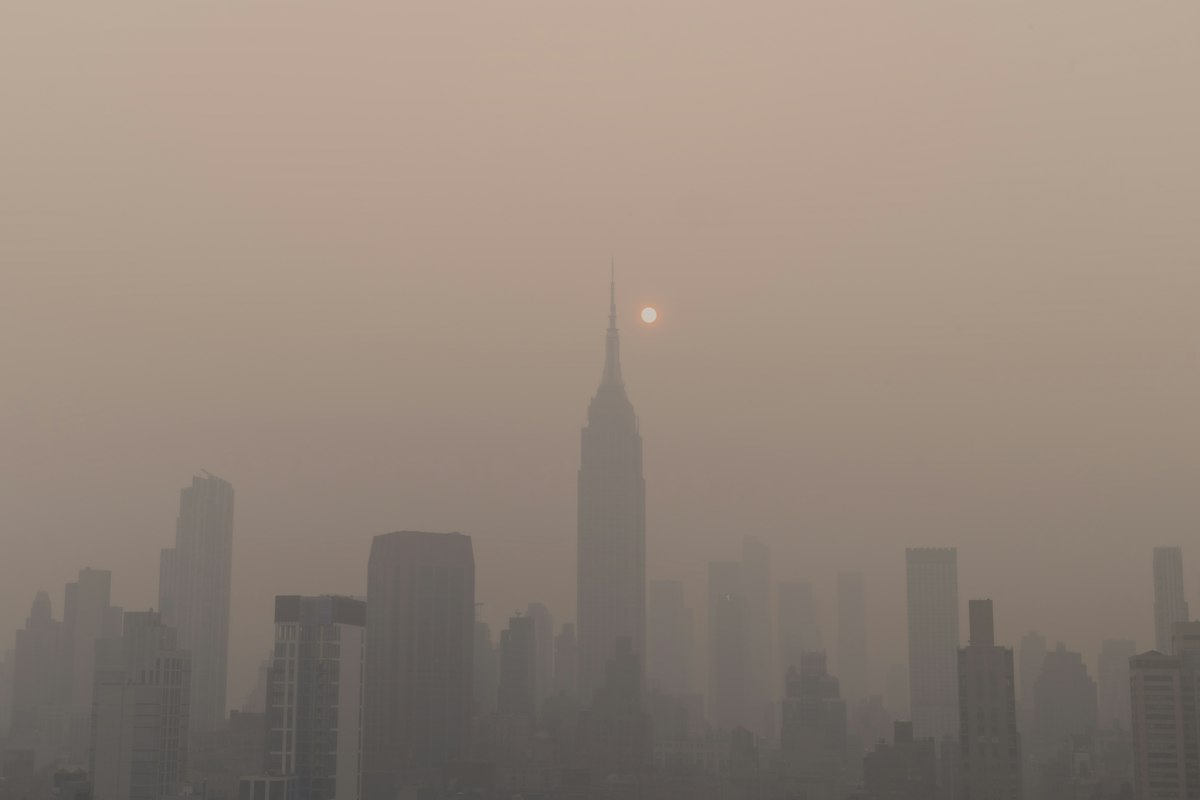
PM2.5 monitors (laser-scattering counters) are the success story of the category: they genuinely count particles, respond in seconds, and turn invisible pollution into visible patterns — cooking spikes, wildfire-smoke infiltration curves (the ACH story), and the before/after proof of a purifier or a MERV upgrade. Their accuracy is honest-but-loose (EPA’s low-cost sensor studies show wide device-to-device spread and humidity sensitivity), which is exactly why you use them for trends and deltas — “the bedroom went from 40 to 15 µg/m³ after the HEPA went on” — rather than regulatory absolutes. CO₂ monitors (true NDIR sensors) are the second buy: outdoor air is ~420 ppm, each occupant exhales the room richer, and sustained readings above ~1,000 ppm mark under-ventilation (drowsiness, and a proxy for the buildup of everything else people exhale). The line that keeps the tier honest: CO₂ at home levels isn’t a toxin — it’s a ventilation gauge. The “TVOC” channel on multi-sensors is the least trustworthy readout in consumer air tech (broad, uncalibrated, alcohol-responsive) — treat its spikes as “something volatile is present” flags, never as numbers.
Tier 2: Lab Kits — Certified Numbers for the Questions That Need Them
Lab testing earns its cost in three scenarios: post-renovation (formaldehyde from pressed-wood cabinetry and finishes decays on a weeks-to-months curve — a certified number decides whether the nursery needs mitigation or patience; the decay curves are on the VOC page), persistent symptoms without a visible source (working with a physician; a defined chemical panel beats a suspicion), and transactions/disputes (landlord, insurer, legal — chain-of-custody numbers). The format: passive samplers (badges/pumps) exposed per protocol, mailed to an accredited lab, results in µg/m³ against reference values. Radon belongs in every version of this table — the EPA estimates it as the second-leading cause of lung cancer, it’s invisible to every tier above, and the entry cost ($15 short-term kit, $150 continuous monitor) is trivial against the stakes; basement homes and high-radon-zip codes test first, per EPA’s county map.
The Decision Flow, Compressed
Start free: nose, eyes, hygrometer, and the symptom-away-from-home test. Buy the monitor tier when you want patterns (smoke infiltration, cooking, purifier proof) or ventilation truth (CO₂) — expect ~$100–300 and treat readouts as relative. Buy the lab tier when a specific chemical question exists (renovation, symptoms, dispute) or radon’s never been tested. Skip entirely: uncalibrated anxiety loops — checking a TVOC number hourly is measuring a rumor — and ozone-generating “air testers/purifiers,” which add a pollutant while pretending to remove them (the pollutants that matter have treatment pages; ozone generators’ problems are documented EPA territory).
FAQ
How can I test my indoor air quality at home?
Start with the free tier — inventory odors (musty = mold, chemical = off-gassing), check window condensation and register dust, and put a $10 hygrometer in the main living space (30–50% is the band). Then match any specific worry to its tool: PM2.5 or CO₂ patterns get a $100–300 monitor; formaldehyde/VOC after renovation or radon in a basement home get lab kits ($15–500 depending). The full tier table is above.
How to tell if your house has poor air quality?
The signature stack: persistent musty or chemical odors; condensation or visible mold; heavy dust return on registers; symptoms (headache, irritation, congestion) that improve when you’re away for days; and CO₂ drowsiness in closed rooms. Any of those earns the tier-matched test above — and the free humidity number plus your symptom geography usually narrows the culprit family before any purchase.
Is there a way to check air quality in my house?
Yes, at every budget — the hygrometer-plus-senses baseline is free, consumer monitors deliver real-time PM2.5/CO₂ for patterns, and accredited labs deliver certified chemical numbers. What doesn’t exist is one device that does everything: any gadget claiming to “test everything” in real time is selling a TVOC rumor and a PM estimate — the tiers exist because the questions differ.
How to tell if the air in your house is making you sick?
The honest method: keep a simple symptom-and-location diary for two weeks (better at work, worse at home; worse in one room; worse overnight), note the free-tier findings (humidity, odors, dust), and take both to a physician — then test the specific suspects the pattern implicates (mold page for musty, VOC lab for renovation chemistry, radon for basement symptoms, CO₂ for stuffy-room patterns). “Sick building” answers are pattern-match + targeted testing, not one universal scan.
Sources & References
- EPA — Indoor Air Quality and low-cost air sensor performance studies — accuracy caveats, sensor evaluation reports. Official documentation.
- EPA — Indoor air PLUS / humidity guidance (30–50% RH). Official documentation.
- EPA — Radon program (county zones, second-leading lung-cancer cause estimate, test protocols). Official documentation.
- ASHRAE ventilation literature — CO₂ as ventilation indicator (~1,000 ppm working line). Industry expert analysis.
- Accredited-lab formaldehyde/VOC sampling methodology (passive badge/pump protocols). Industry expert analysis.
Related Guides
- How to Improve Indoor Air Quality — the action plan this testing feeds.
- Air Quality Mold Testing — the suspicion most searches are really about.
Find your filter: All HVAC filter sizes
Further reading: Bad Air Quality Symptoms: What Your Body Notices First