Is Drinking Water With Lemon Good for You? A Claim-by-Claim Verdict, the Vitamin C Arithmetic, and the One Real Risk

Lemon water is mostly water with excellent marketing attached. The verifiable parts: it hydrates exactly as well as plain water, and one lemon’s juice carries 30–40 mg of vitamin C — a third of the 90 mg daily target, delivered in a glass that costs your teeth enamel exposure at pH 2–3. The parts that don’t survive scrutiny: skin brightening, “detox,” alkalizing your body, and direct fat-burning. The one genuine long-study bright spot is kidney stones, where citrate does real pharmacological work — but at doses lemon water can’t reach. This page runs each claim against its evidence instead of stacking them in a benefits list. Related: How Much Water Should You Drink a Day? and Does Drinking Water Help You Lose Weight?.
Quick Answer: Mostly water, honestly hydrating, nutritionally minor. One lemon’s juice = 30–40 mg vitamin C (vs 70 mg for a small orange, 45 mg for a half-cup of strawberries — the lemon is the inefficient source). It does nothing measurable for skin, detox, or fat. The two real effects: hydration (real, same as water) and enamel erosion at pH 2.0–2.6 — mitigate with a straw, timing, and not brushing right after.
| Claim | Verdict | What the evidence says |
|---|---|---|
| Hydrates you | ✅ True | Water is water; the lemon changes flavor, not hydration |
| Provides vitamin C | ⚠️ Technically yes, trivially | 30–40 mg/lemon — a third of the 90 mg DV, from an acidic dose |
| Better skin | ❌ No direct evidence | No trials on lemon water and skin; vitamin C status matters, lemon water won’t move it |
| Weight loss | ❌ Only by displacement | Same mechanism as plain water (see the 29-lb soda arithmetic) |
| Detox / liver cleanse | ❌ Marketing term | Your liver and kidneys detox continuously; no beverage accelerates it |
| Alkalizes your body | ❌ Physiologically illiterate | Blood pH is defended at 7.35–7.45; ingested citrate cannot alkalinize blood |
| Prevents kidney stones | ⚠️ Real pharmacology, wrong dose | Citrate inhibits stones — medical doses are ~2,400 mg/day; a lemon delivers ~1.5 g citric acid total |
The r/CleaningTips-style energy on this topic lives on r/SkincareAddiction and r/DentalHygiene instead. A recurring post type: someone starts a morning lemon-water routine, feels great for two weeks, then posts a photo of translucent tooth edges at month six. The routine’s benefits were available from tap water; the translucent edges are the citric acid. Dentists in the threads give the same advice the enamel literature supports — the habit is manageable, the neglect of delivery method is what costs you.
The Vitamin C Arithmetic Nobody Runs

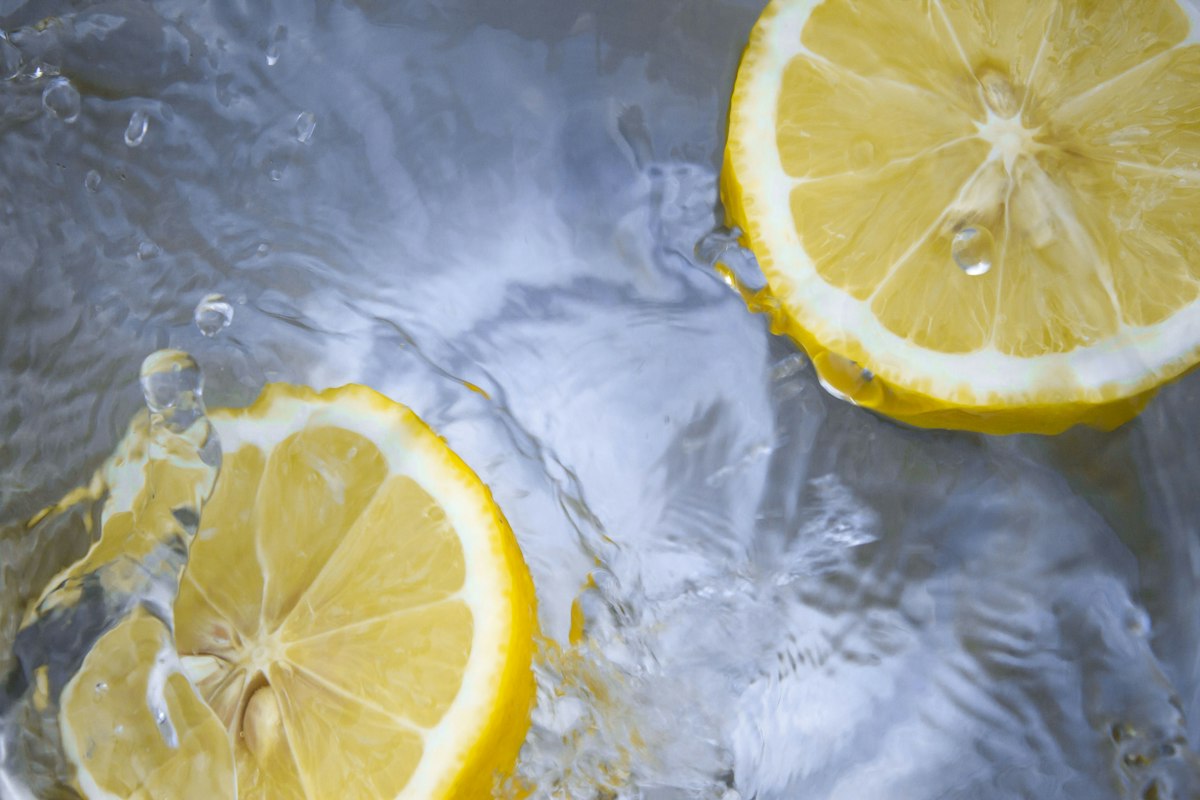
Lemon water’s headline nutrient is its weakest selling point once you price it per milligram:
- One lemon’s juice (about 3 tablespoons): 30–40 mg vitamin C — roughly a third of the 90 mg adult daily value.
- A small orange: ~70 mg. A half-cup of strawberries: ~45 mg. A medium red bell pepper: ~95 mg — more than double the lemon, at pH 5, eaten not sipped.
If your goal is vitamin C, the lemon is the most acidic, least efficient common source in the produce aisle. If your goal is drinking water that doesn’t taste like nothing, the lemon is genuinely good at that — which is the honest version of the recommendation.
The Enamel Problem, With Numbers
Tooth enamel demineralizes below pH 5.5. Lemon juice sits at pH 2.0–2.6 — in the same band as cola (2.5) and vinegar (2.4), and far below anything your teeth evolved to bathe in repeatedly. Saliva buffers and remineralizes, which is why an occasional glass is a non-event and a twice-daily habit sipped over 30 minutes is a different exposure entirely: every sip re-drops the mouth’s pH and the total acid-contact time becomes the driver of erosion.
The damage-control stack, in order of effectiveness:
- Drink it in one sitting, not sipped across an hour — exposure time is the variable you control most easily.
- Use a straw positioned past the front teeth.
- Rinse with plain water afterward — restores pH fast.
- Do not brush for 30 minutes after — brushing softened enamel is what removes it; the acid temporarily softens the surface, saliva re-hardens it.
When Lemon Water Is Genuinely the Wrong Drink
Two populations should skip the routine. People with GERD/acid reflux often find citrus is a reliable trigger for the same reason it erodes enamel — it’s a strong acid arriving at a sphincter that’s already leaky. And anyone with mouth sores or gum injury gets direct chemical irritation from a pH 2.5 beverage (the folk remedy of salt-water and lemon for canker sores is backwards; the salt water part is fine).
The kidney-stone claim deserves its own paragraph because it’s the most distorted real science in the lemon-water genre. Citrate genuinely inhibits calcium-oxalate stone formation — it’s prescribed as potassium citrate at doses around 2,240–2,400 mg citrate per day in stone-prevention protocols. A whole lemon’s juice contains roughly 1.5 g of citric acid, but citric acid is not potassium citrate, and observational dilution matters: the stone literature’s strongest finding remains urine volume above 2 L/day, where the water in lemon water does the work and the lemon is optional flavor. If you’ve passed a stone, drink enough of whatever fluid you’ll actually finish — that’s the evidence-backed sentence.
The “Morning Lemon Water” Ritual, Audited
Strip the ritual to its testable components: a glass of fluid after 8 hours without drinking (mildly useful — overnight losses run ~450 mL), vitamin C (trivial dose), warm water (no metabolic difference from cold beyond ~17 kcal of warming cost), and the routine itself (routines that anchor hydration are fine). What the ritual is not: a fat-burning trigger, a liver cleanser, a pH intervention, or a skin treatment. If it gets you drinking water you otherwise wouldn’t, keep it — with the enamel precautions. If you’re drinking it as medicine, plain water does the medicinal part.
This page is general information, not medical advice; persistent reflux, enamel concerns, and stone history all belong with a dentist or physician who can see you.
FAQ
What will happen if I drink water with lemon everyday?
The realistic outcomes: better hydration if it replaces skipping water, ~30–40 mg daily vitamin C you’d struggle to notice, and — after months of sipping — possible enamel wear if you ignore the delivery precautions above. No detox, no fat loss, no skin transformation; the dramatic before/after testimonials online are usually selling something adjacent.
How much lemon water should you drink a day?
There’s no lemon-water-specific limit — the constraint is total fluid and acid exposure. Common guidance among dentists who field this question: keep it to once daily, in one sitting, straw and water-rinse afterward. The rest of your ~100/73 fl oz daily target should be plain water or other non-acidic fluids.
What happens when you drink lemon water for 7 days in the morning?
Nothing measurable, and that’s the honest answer the seven-day challenge format can’t survive. Fluid balance normalizes within the first day; nothing else physiologically accumulates in a week. The changes people report — energy, skin, digestion — track with drinking more water and less coffee/soda, which the challenge also caused.
When should you not drink lemon water?
With active acid reflux (citrus is a common trigger), mouth ulcers or gum injury (direct acid irritation), right after brushing your teeth (enamel is softened), and sipped continuously across the day (total acid-contact time is the erosion driver). None of these are dangerous in a single exposure — they’re the difference between a harmless habit and a dental bill.
Sources & References
- USDA FoodData Central — lemon juice vitamin C (~38.7 mg/100 g), orange, strawberry, bell pepper comparisons. Official documentation.
- ADA (American Dental Association) / enamel erosion literature — pH 5.5 demineralization threshold; lemon juice pH 2.0–2.6; post-acid brushing interval guidance. Official documentation.
- **Borghi L et al. (1996), Journal of Urology — urine volume >2 L/day reducing 5-year stone recurrence ~half (the lemon-independent lever). Peer-reviewed research**.
- Potassium citrate prescribing literature — 2,240–2,400 mg/day citrate dosing in stone protocols. Official documentation.
- NIH ODS Vitamin C fact sheet — 90 mg adult DV. Official documentation.
Related Guides
- Does Drinking Water Help You Lose Weight? — the arithmetic behind water’s only real weight mechanisms.
- How Much Water Should You Drink a Day? — targets, the 8×8 story, the overdrinking edge.