Radium in Your Water: the 5 pCi/L Limit, the $40 Screening Trick & What Genuinely Removes It

Quick answer: Radium (Ra-226 + Ra-228 combined) carries a federal limit of 5 pCi/L — and it’s colorless, odorless, and tasteless, so testing is the only way it ever announces itself. Boiling does not remove radium (it concentrates it), and no Brita-class or fridge carbon filter claims it — two of the most-asked questions on the internet about this contaminant, answered straight: no and no. Reverse osmosis removes 90%+ (NSF/ANSI 58 with radium claim), and anion exchange resin handles it whole-house. The smart testing sequence — a cheap gross alpha screen before the expensive radium analysis — saves most well owners real money.
Test first — and test in the right order. Here’s the sequence almost nobody tells you about: a gross alpha screen ($40–60) covers the entire alpha-emitting family in one number. If it comes back low (below ~5 pCi/L), radium and uranium are effectively ruled out — you stop there. If it’s elevated, then pay for the radium isotope analysis ($100–150) that says exactly which radionuclide and how much. Screening first, confirming second: the same diagnostic ladder medicine uses, applied to wells. City residents: radium appears in the CCR — utilities in the classic belts (Illinois, Wisconsin, Florida, Iowa) monitor it closely.
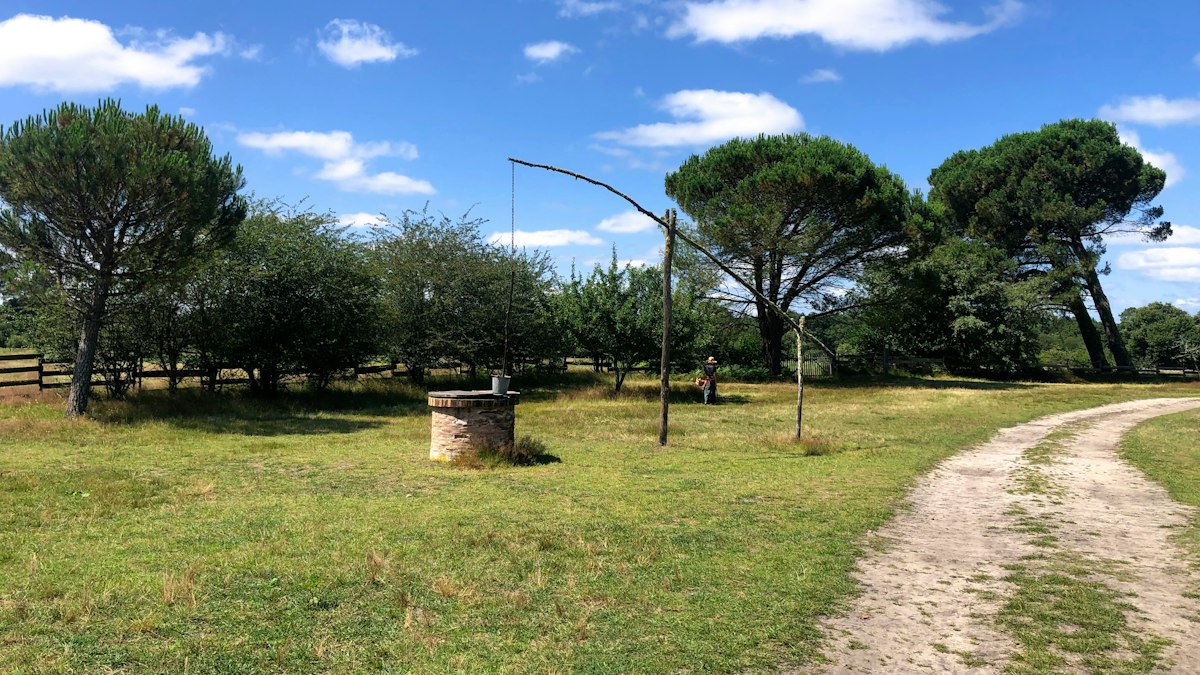
Where Radium in Water Comes From

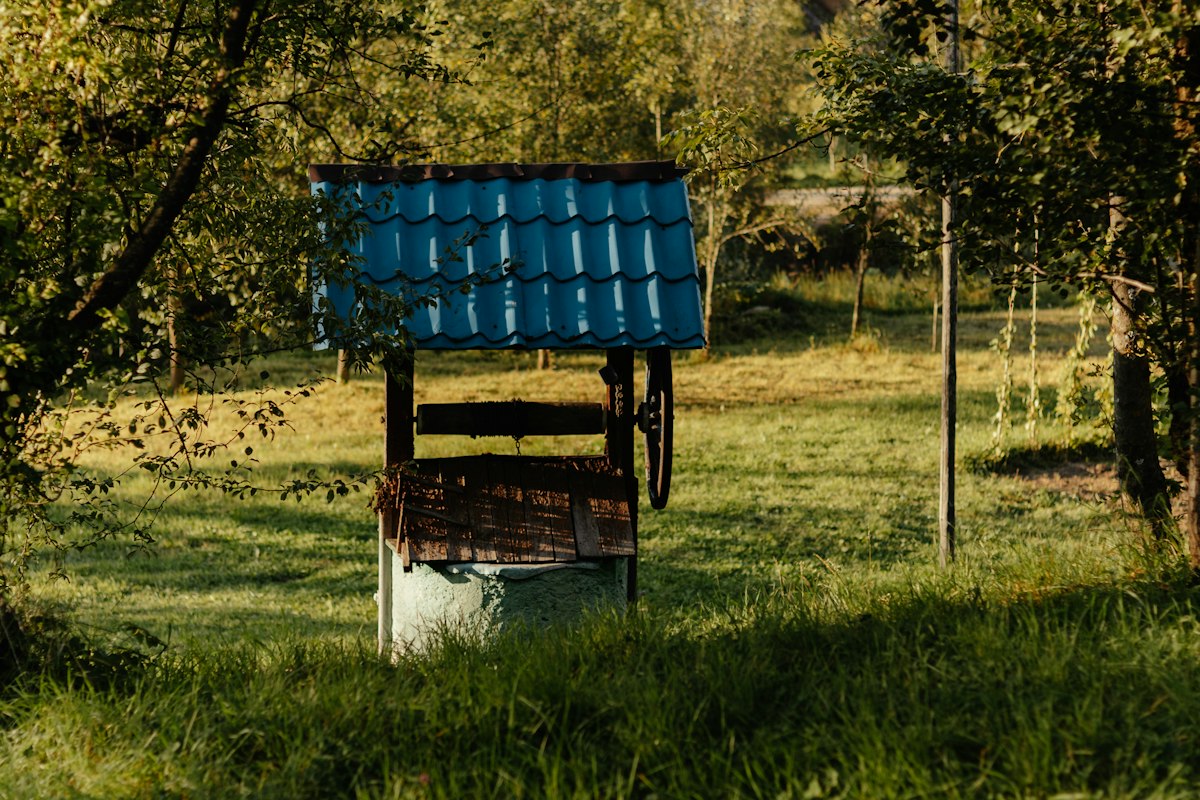
1. Natural geology — the overwhelming story. Radium is a decay product of uranium and thorium in rock; deep sandstone and Cambrian-Ordovician aquifers (the famous Illinois/Wisconsin belt) and Florida’s phosphate-bearing formations carry elevated radium naturally. The water didn’t get contaminated; it was born radioactive, geologically speaking.
2. The deep-well irony. Shallow wells usually dodge radium; deep municipal and domestic wells in radium belts hit it — depth protects from bacteria and farm runoff while exposing water to older, radioactive rock. Every well decision trades one risk family for another; this is why “deeper is safer” is folklore, not fact.
3. Human-made concentration (minor, local). Phosphate mining residues, legacy uranium mill tailings, and oilfield produced water add localized hot spots — real but dwarfed by the natural source term.
The dose context (before anything else): household radium levels are a chronic, cumulative risk conversation — roughly a few extra cancer cases per 10,000 lifetime consumers at sustained levels somewhat above the limit — not an acute hazard. The right emotional register is the same as radon-in-the-basement: measure it, fix it if found, don’t sell the house over it.
| For dose-scale perspective | Approximate magnitude |
|---|---|
| One chest X-ray | ~0.1 mSv — a known, accepted, voluntary dose |
| A year of drinking water at 5 pCi/L radium (the limit) | A small fraction of that single X-ray, delivered across the year |
| A year at 15 pCi/L (three times the limit) | Still well under one X-ray — the case for treating, calmly, on a seasonal timeline |
| A cross-country flight | Comparable-order background dose to the limit-level year above |
The table is context, not dismissal: radiation risk is cumulative, bone-seeking, and worth engineering out of your water — and the numbers place household radium in the “measure, budget, treat this year” register, never the emergency register.
Health Effects — What the Limits Are Protecting
| Number | What it is | What it means |
|---|---|---|
| 5 pCi/L | Combined MCL for Ra-226 + Ra-228 | The enforceable federal line — set on lifetime cancer-risk math |
| 15 pCi/L | Gross alpha MCL (screening framework) | The family-level ceiling your $40 screen indexes against |
| ~5 pCi/L | Practical screening threshold | Gross alpha below this effectively rules out the radionuclides worth chasing |
What the limit protects against. Radium is a bone-seeker chemically similar to calcium: the body can deposit it in bone, where its alpha emissions irradiate surrounding tissue over decades. The documented endpoint at sustained elevated exposure is elevated bone/nasal-cavity cancer risk in epidemiological studies of radium-belt populations. The 5 pCi/L line sits where regulators judged the lifetime risk acceptable-tight — which is why the response to a 6 or 8 reading is “treat within the year,” not ” evacuate the kitchen.”
How to Remove Radium — The Honest Comparison
| Method | Reduction | Certification to look for | Honest notes |
|---|---|---|---|
| Reverse osmosis | 90%+ | NSF/ANSI 58 with radium claim | The drinking-tap standard; a meaningful set of certified models exists |
| Anion exchange resin (whole-house) | High | System tested to NSF/ANSI 44 or equivalent radium data | The full-flow answer — and the quiet bonus below |
| Lime softening | High | (Municipal-scale) | How radium-belt cities treat; not household equipment |
| ~~Boiling~~ | Negative — double ✗ | — | Concentrates radium in the pot, and radon daughter products can off-gas: the PAA question “can radium be boiled out” gets a flat no |
| ~~Brita / pitcher / fridge carbon~~ | No claim | — | The other PAA staple (“does a Brita filter remove radium”) — no, not claimed, not plausible at that carbon dose |
| ~~Small GAC cartridges~~ | Negligible | — | GAC’s radium capacity is trivial at cartridge scale; radium belongs to membranes and resins |
The softener bonus — the fact that surprises everyone. Standard cation-exchange softener resin captures radium along with hardness ions — softeners in radium country have been quietly lowering household radium for decades (documented in Wisconsin public-health literature). The caveat is honest, though: the resin concentrates radium in the tank and brine discharge, capacity for radium isn’t a certified claim, and relying on a softener as your radium plan is like relying on a car’s frame as your seatbelt. If a softener is already installed over a confirmed radium problem, mention it to the water-treatment specialist — it’s part of the treatment train, deliberately or not.
Matched to the Numbers Above
- Screening tier ($40–60): Gross alpha first; radium isotopes only on an elevated screen — the two-step that saves $100 more often than not.
- Point-of-use tier ($250–500): Under-sink RO with the radium claim named — drinking and cooking coverage while whole-house options are weighed.
- Whole-house tier ($1,200–3,000): Anion exchange sized from the isotope result; combines with softening duty in one system for many radium-belt homes.
Wait — Is My Refrigerator Filter Enough for Radium?
No. No fridge or pitcher cartridge claims radium; carbon at dispenser scale has no meaningful radium capacity. The two most common PAA questions about this contaminant are both filter-verification questions, and both answers are no — which is itself diagnostic of how starved for straight answers this topic is. RO with the named claim, or anion resin at the entry: those are the real technologies.
Related problems worth checking while you’re here:
- Uranium in water — the same deep-aquifer belts, the same gross-alpha screen, different chemistry (and different removal nuances)
- Radon in water — the gas sibling: test order matters there too, for opposite reasons
- TDS in water — the meter reading that correlates loosely with the dissolved-mineral cast radium travels with
Radium Questions, Answered Straight
How much radium in water is too much? 5 pCi/L combined (Ra-226 + Ra-228) is the enforceable federal limit. Above it, treatment is the standard recommendation; modestly above is a plan-and-treat situation measured in weeks and months, not hours.
Does boiling water remove radium? No — it concentrates it, and some daughter products can leave with the steam. The “can radium be boiled out of water” question is common enough (and wrong-directional enough) that it stays pinned in this FAQ.
Does a Brita filter remove radium? No — no pitcher or fridge carbon cartridge claims radium removal. RO with a named radium claim or anion exchange resin are the verified technologies.
What is a safe level of radium in drinking water? The regulatory answer is at-or-below 5 pCi/L combined. The honest framing: the limit manages lifetime cancer risk at a level regulators deem acceptable-tight — treat above it, don’t panic anywhere near it.
How do I know if my water has radium? The two-step: gross alpha screen ($40–60), then radium isotope analysis only if the screen reads elevated. City water: the CCR lists radium results — Illinois, Wisconsin, Florida, and Iowa utilities publish theirs prominently for a reason.
Does a water softener remove radium? Partially and incidentally — softener resin captures radium along with hardness, documented in public-health studies. Useful foreknowledge, not a treatment plan; concentrated resin and brine handling are the specialist conversation.
How often should a radium-belt well retest? Annually while untreated (radium in deep sandstone aquifers moves slowly — year-over-year swings are modest, unlike nitrate’s seasonal drama), and once 2–4 weeks after any treatment install to verify the equipment against its spec. Belt households rotating a budget can alternate years between the gross alpha screen and the full panel — the screen stays the cheap first move either way.
Related: Well Water Problems Overview · RO Filter Replacement Schedule · Arsenic in Water
Reference page: Radium – full entry & treatment options