Nitrates in Well Water: the 10 mg/L Line, Blue Baby Syndrome & Why Boiling Makes It Worse

For a quick reference on nitrates, see our nitrates entry.
Quick answer: Nitrate’s federal maximum is 10 mg/L measured as nitrogen — set specifically to protect infants under six months from methemoglobinemia (“blue baby syndrome”), not adults. The critical rural safety fact: boiling concentrates nitrate (water evaporates, nitrate stays), so the classic emergency reflex is exactly wrong here. Reverse osmosis (NSF/ANSI 58 nitrate claim, ~85–95%) or nitrate-selective ion exchange actually removes it; carbon filters and pitchers remove essentially none.
Test first — especially with a baby or pregnancy in the house. City water: your CCR lists nitrate (it’s federally monitored — municipal violations are rare and notified). Private wells in agricultural areas: a nitrate test is $25–50, or included in most well panels — and when you sample matters more here than for any other contaminant (see the seasonal window below).

Where Nitrates in Water Comes From

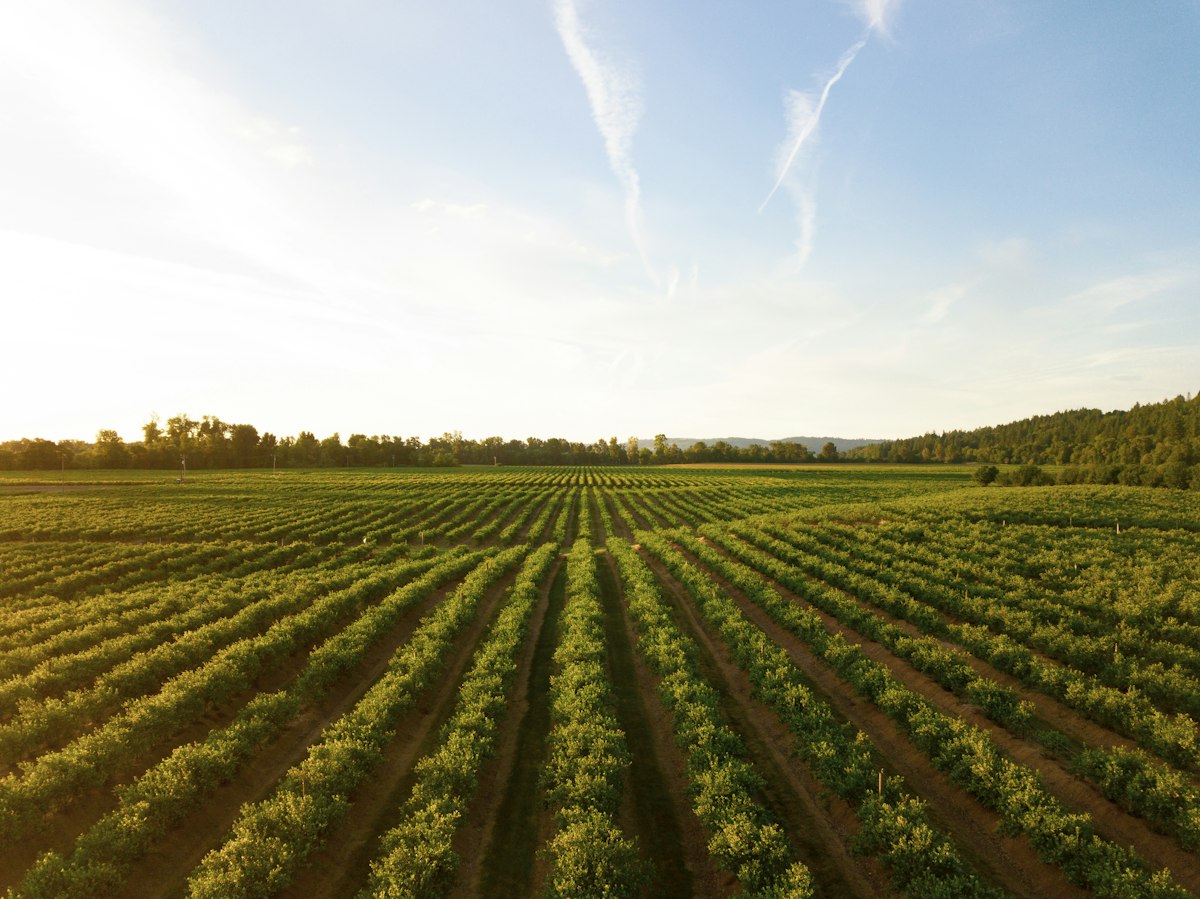
1. Agricultural runoff (the dominant well-water source). Nitrogen fertilizer and manure spread on corn/soy country percolates to shallow aquifers every spring; nitrate is mobile in soil and rides water straight down. Fields, feedlots, and manure lagoons are the regional pattern — Midwest corn belt, Central Valley, dairy country.
2. Septic system density. A properly working septic leach field nitrifies household waste; a dense patchwork of them (rural subdivisions, lake communities) loads shallow aquifers the same way farms do. Distance rules of thumb: >50 ft from any septic component is code minimum everywhere, >100 ft is prudent for drinking wells.
3. Legacy and natural sources. Old orchard/field histories, decaying vegetation, and some geological nitrate deposits contribute background levels — usually well under the limit, but enough to add to agricultural peaks.
The seasonal trap: your annual test may be measuring the valley, not the peak
Nitrate in shallow ag-area wells peaks with spring fertilizer application + heavy rains and again after harvest/autumn rains; mid-winter and dry-summer samples read lowest. A January test showing 6 mg/L can be a May test showing 14. If your well is shallow (<100 ft) and near active agriculture, test once in spring after a significant rain — the "worst-case" number is the one that matters for an infant's bottle. Well depth is the other lever: deeper confined aquifers are usually insulated from seasonal pulses; dug and shallow drilled wells live and die by them.
Health Effects — What the Limits Are Protecting
| Number | What it is | What it means |
|---|---|---|
| 10 mg/L as N | Federal MCL for nitrate | The infant-protective line, set in 1962 and reaffirmed since |
| 1 mg/L as N | MCL for nitrite (NO2) — the more acutely toxic form | Rare in raw water (nitrite is an intermediate stage); regulated alongside nitrate |
| 10 mg/L combined | Combined nitrate + nitrite limit | The panel result to read when both are reported |
Who the limit protects. Under age ~6 months, gut bacteria convert nitrate to nitrite, which binds hemoglobin and blocks oxygen transport — cyanosis (bluish skin, especially around the mouth), lethargy, shortness of breath. It’s treatable when recognized, and it has become rare in the U.S., which is precisely because the 10 mg/L limit and well-testing education work. Pregnant people and adults with certain rare hemoglobin disorders also warrant caution; healthy adults tolerate levels well above 10 with no documented acute effect (chronic-effect research at low levels is ongoing and unsettled).
The frame we choose: blue baby syndrome is one of the most preventable water risks in existence — a $30 test and, if needed, bottled water for formula until treatment is installed. No fear required; sequence required.
How to Remove Nitrates — The Honest Comparison
| Method | Reduction | Certification to look for | Honest notes |
|---|---|---|---|
| Reverse osmosis | ~85–95% | NSF/ANSI 58 with nitrate claim | The point-of-use standard; verify the claim sheet — many ROs certified only for TDS don’t list nitrate |
| Nitrate-selective anion exchange resin | High, continuous | System tested to nitrate reduction (resin-based POE) | The whole-house well solution; resin changeout cycle depends on your raw number — and when the resin exhausts, output can briefly run worse than input (dumping), so metered/scheduled regeneration matters |
| Steam distillation | ~99% | — | Effective but impractical beyond drinking + formula volume |
| ~~Carbon blocks, fridge filters, pitchers~~ | ≈0 | No nitrate claim exists for carbon | Nitrate is a small stable anion — carbon cannot adsorb it, full stop |
| ~~Boiling~~ | Negative — concentrates | — | The single most important ✗ on this page: boil off a third of the water and you’ve raised nitrate ~50%. Every rural kitchen should know this line |
The emergency protocol while you arrange treatment (households with infants, well reading >10): use bottled water for formula and drinking; do not boil well water as a fix; breast milk or ready-to-feed formula are alternatives; retest after treatment install and each spring.
Matched to the Numbers Above
- Testing tier ($25–50): Nitrate + nitrite panel (many county health departments run these at cost); spring post-rain sampling for shallow ag-area wells; annual rhythm for farms with known nitrogen application nearby.
- Point-of-use tier ($250–500): Under-sink RO with the nitrate claim listed — covers formula, drinking, and cooking; pair with annual retest to confirm the membrane’s still performing.
- Whole-house tier ($1,200–2,800): Nitrate-selective resin POE system sized from the lab number — the standard for family wells reading consistently over the limit, with professional setup of the regeneration schedule.
Wait — Is My Refrigerator Filter Enough for Nitrates?
No. No refrigerator cartridge removes nitrate — it’s a dissolved anion that carbon neither adsorbs nor converts, and no OEM lists a nitrate claim. If your well tests over 10 mg/L and there’s an infant in the house, the fridge dispenser is not a solution; it’s a habit to redirect until an RO with the nitrate claim or a resin system is in place.
What the fridge filter verifiably does: chlorine, taste/odor, and — model-dependent — lead and cysts.
Related problems worth checking while you’re here:
- Bacteria in well water — the annual-testing twin: nitrate and coliform together are the standard well checkup pair
- Pesticides in well water — same agricultural sources, same spring-runoff timing, worth the same test panel
- Ammonia in water — the upstream chemistry: nitrogen’s journey from ammonia → nitrite → nitrate, one page upstream
Nitrate Questions, Answered Straight
How much nitrate in water is too much? 10 mg/L as nitrogen is the enforceable federal maximum — an infant-protection line. Formula-fed babies under six months shouldn’t drink water above it, period; healthy adults have no documented acute risk near that level.
Does boiling water remove nitrate? No — boiling concentrates it. Nitrate doesn’t evaporate; water does. This is the mirror-image of the boiling advice for microbes (where boiling helps): nitrate is the case where the kitchen reflex backfires.
Is my refrigerator or pitcher filter enough for nitrate? No. Carbon cannot remove nitrate and no cartridge claims it. RO with a named nitrate claim, nitrate-selective resin, or distillation — those are the real options.
Can infants drink well water? Not untested well water. Test for nitrate and bacteria before any infant or formula use; if nitrate reads above 10, use bottled or treated water until the system is in — and never boil-to-fix.
How often should agricultural-area wells test for nitrate? Annually at minimum, plus a spring sample after fertilizer application and heavy rain if your well is shallow — the seasonal peak is the number an infant’s safety hangs on.
Do water softeners remove nitrate? Standard softener resin targets calcium/magnesium and does essentially nothing for nitrate. Nitrate-specific anion resin is different equipment — this confusion sells the wrong systems to farm families regularly.
What does a nitrate “seasonal peak” actually look like on a test? The same well can read 4 mg/L in a dry August and 14 mg/L after spring fertilizer plus a two-inch rain — the shallow-aquifer wells of ag country swing with the application calendar. If your only test ever was drawn in a quiet season, you know your floor, not your ceiling: households with infants should test once in the post-application window (spring, after significant rain) to see the number the formula pitcher actually faces. The sampling date is part of the result — write it on the report.
Does an RO system need maintenance to keep removing nitrate? Yes — and nitrate is a maintenance-sensitive claim: the membrane does the work, and its rejection percentage decays with age and fouling. The practical rhythm is annual prefilter changes, membrane replacement on the manufacturer’s schedule (typically 2–3 years), and an annual retest of the treated water — a $25 lab row that proves the system is still earning its certification, the same verification habit the TDS page teaches with a $15 meter.
Sources
- U.S. EPA — National Primary Drinking Water Regulations — the enforceable federal MCL table for every regulated contaminant
- U.S. EPA — Ground Water and Drinking Water — federal drinking-water standards, testing, and treatment guidance
- CDC — Drinking Water — health information on water contaminants, testing, and private wells
Related: Well Water Problems Overview · RO Filter Replacement Schedule · Sulfate in Water
Data page: Nitrates – full entry & treatment options